


 English
 中文
中文


When I introduce a 2500 Rewinding Machine to a customer, I usually start with a simple question: what material are you going to rewind? It may sound like a basic question, but it tells me a lot about what the machine needs to do. Film, paper, aluminum foil, nonwoven materials, and labels do not behave in exactly the same way during rewinding. Each material has its own characteristics, and the machine needs to handle those differences in a practical way.
At Wuxi Shuochuan Electromechanical Equipment Manufacturing Co., Ltd., we design and manufacture automated equipment with a focus on real production needs. Our Rewinding Machine Series is developed for efficient, stable, and precise rewinding of roll-based materials. The 2500 model is intended for wide-width applications where stable material movement, controlled winding tension, and consistent finished rolls are important.
I know that buying industrial equipment is not a small decision. A customer is not simply buying a machine frame and a motor. You are investing in production capacity, product quality, operator time, maintenance, and future manufacturing plans. That is why I want this page to give you useful information before you contact us.
In the following sections, I will explain how a 2500 Rewinding Machine works, what I consider important when selecting one, where it can be used, how we manufacture and inspect our equipment, and what questions customers often ask before placing an order.
1. What Is a 2500 Rewinding Machine?
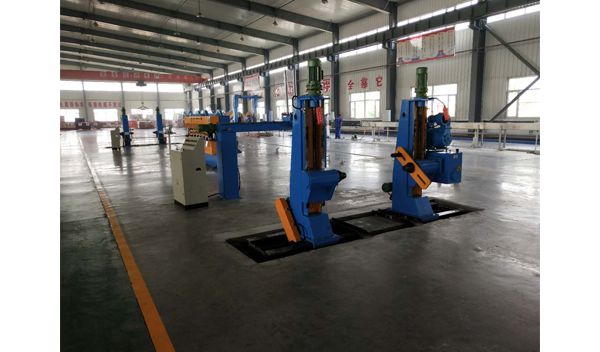
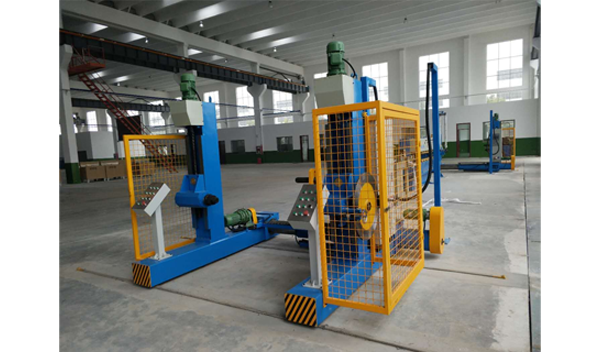
A 2500 Rewinding Machine is an industrial machine designed to rewind wide-width web materials from one roll into another roll. The material may come from an upstream Production Process, a large parent roll, or another converting operation. The rewinding process gives the customer better control over the final roll size, winding condition, and preparation for the next manufacturing step.
The basic idea is easy. The material starts on the unwinding side, travels through the machine, and is wound onto a new core at the winding section. During this movement, the machine needs to keep the web stable. It also needs to maintain suitable tension so the finished roll is neither too loose nor unnecessarily tight.
For a wide-width machine, this becomes even more important. When the material is wider, small problems with alignment or tension can become more visible across the finished roll. A slight difference at one side of the web can eventually lead to uneven edges, wrinkles, telescoping, or an unstable roll.
This is why I do not recommend choosing a rewinding machine only by its model number. The “2500” designation describes a working-width class, but it does not tell the whole story. The actual configuration should be based on the material, material thickness, roll dimensions, core requirements, winding quality, and production conditions.
Our 2500 Industrial Rewinding Machine is designed around this practical principle. We discuss the customer's actual material and production requirements first, then confirm the suitable technical configuration before manufacturing.
What Can the Machine Rewind?
The Rewinding Machine Series is designed for a range of flexible and roll-based materials, including:
Plastic film
Paper
Aluminum foil
Nonwoven materials
Labels and label stock
Flexible packaging materials
Other suitable roll-based materials
However, I always make one point clear to customers: material compatibility should be confirmed before the machine is ordered. Two materials may look similar but behave differently when tension is applied. The safest approach is to provide the material specifications and finished-roll requirements so we can evaluate the configuration properly.
Why Is Rewinding Important?
Rewinding is often a preparation step, but it can have a big influence on what happens later. A well-formed roll is easier to store, transport, slit, print, laminate, package, or feed into another production machine.
If the winding quality is poor, the problem may not become obvious until the next production stage. That is when operators start seeing wrinkles, loose edges, uneven rolls, or material feeding problems.
In my experience, it is much better to control these issues during rewinding than to discover them later.
2. How Does the 2500 Rewinding Machine Work?
The working principle of our 2500 Rewinding Machine is based on controlled material transport and winding. Although the machine uses mechanical, electrical, and control components, the production process can be understood quite easily.
Step 1: Loading the Parent Roll
The first step is to place the material roll on the unwinding section. This roll is often called the parent roll, jumbo roll, or input roll.
Before starting, the operator needs to make sure the roll is installed correctly and securely. The condition of the parent roll also matters. If the original roll has serious deformation, damaged edges, or poor alignment, the rewinding machine may not be able to completely correct the problem.
Good production starts with good material preparation. I often tell customers that even a well-built machine cannot completely compensate for poor incoming material.
Step 2: Web Guiding and Material Transport
After unwinding, the material travels through the machine along a controlled web path. Rollers and guiding components help keep the material moving in the intended direction.
For wide-width materials, keeping the web aligned is particularly important. If the material moves sideways during production, the edges of the finished roll may not line up correctly.
This is one reason why mechanical alignment, roller condition, and proper machine setup should not be overlooked when evaluating a wide width rewinding machine.
Step 3: Tension Control
Tension control is one of the most important parts of the rewinding process.
Think about rolling a sheet of paper by hand. If you pull it too hard, it may stretch or become damaged. If you do not pull it enough, the roll may become loose. An industrial rewinding machine faces the same basic problem, but it must manage the process continuously.
Our rewinding machine with tension control is designed to provide adjustable control during material handling and winding. The actual control method and configuration depend on the customer's material and machine requirements.
For plastic film, tension may be especially important because some films can stretch. For aluminum foil, careful handling is also important because thin foil can be damaged by unsuitable operating conditions. Paper and nonwoven materials have their own characteristics as well.
Step 4: Winding the Finished Roll
After the material passes through the required sections, it reaches the winding unit. The material is wound onto a core to create a new roll.
The goal is a stable and uniform roll. Depending on the application, customers may care about roll tightness, edge alignment, surface appearance, roll diaMeter, and other requirements.
I always recommend defining these requirements before production. “A good roll” can mean different things to different factories.
Step 5: Inspection
After production, the finished roll can be inspected according to the agreed requirements. Depending on the application, this may include checking roll appearance, edge condition, winding quality, dimensions, and other relevant points.
This simple process is the foundation of a precision roll rewinding machine. The machine is not only moving material. It is controlling the material while turning it into a usable finished roll.
3. Main Features of Our 2500 Rewinding Machine
When customers search for a 2500 Rewinding Machine Manufacturer, they usually want to know what makes the equipment useful in real production. I prefer to explain the features from an operator's point of view rather than simply listing technical words.
Wide-Width Processing
The 2500 model is designed for wide-width roll processing. This makes it suitable for production environments where material width is a major consideration.
Wide-width processing requires stable mechanical construction and proper material handling. The wider the web, the more important it becomes to maintain consistent movement across the working width.
Reliable Tension Control
Stable tension helps maintain consistent winding conditions. Instead of allowing the material to move with large changes in pulling force, the machine is designed to provide controlled winding conditions.
The exact tension-control configuration should be selected according to the material and production process. A film manufacturer and a paper converter may have very different requirements.
Adjustable Operating Parameters
One fixed setting is rarely suitable for every production job. Customers may process different materials, widths, thicknesses, or finished-roll sizes.
Adjustable operating parameters give the operator more flexibility. The machine can be set according to the actual job rather than forcing every material to use exactly the same conditions.
Consistent Winding Quality
The purpose of rewinding is to create a useful and stable finished roll. Consistent winding helps reduce problems during storage, transportation, and later converting.
Of course, finished roll quality also depends on the incoming material, machine settings, operator practices, and production environment. I would never promise that a machine alone can solve every material problem.
Flexible Configuration
Our Rewinding Machine Series can be discussed around different production requirements. Depending on the customer's material and process, the configuration can be evaluated before manufacturing.
This is particularly useful for companies that do not want a machine designed around only one standard application.
Practical Operation
I believe industrial equipment should be practical for the people who operate it every day. An impressive machine that is difficult to understand is not necessarily a good production machine.
Our development approach combines automation with practical operation. The exact control system and interface depend on the selected configuration.
4. How I Evaluate a 2500 Industrial Rewinding Machine
When a customer asks me which 2500 industrial rewinding machine they should buy, I do not immediately give them a model recommendation. I first ask about the material and the final product.
There are several reasons for this.
A rewinding machine is part of a production process. If the machine does not match the material or finished-roll requirements, even a technically advanced system may not provide the expected result.
| Selection Factor | What I Need to Know | Why It Matters |
|---|---|---|
| Material Type | Film, paper, foil, nonwoven, labels, etc. | Different materials respond differently to tension and winding |
| Material Width | Actual working width and variation | Confirms whether the selected width class is suitable |
| Material Thickness | Actual thickness range | Helps determine material handling requirements |
| Parent Roll | Input roll size and condition | Affects loading and unwinding requirements |
| Core Size | Required core diameter and type | Important for finished-roll support |
| Finished Roll | Diameter, tightness, edge and appearance requirements | Defines the target winding result |
| Production Process | What happens before and after rewinding | Helps match the machine to the complete production flow |
Source: Wuxi Shuochuan Electromechanical Equipment Manufacturing Co., Ltd. product requirement assessment practice. The table is a practical selection guide; final machine specifications are confirmed for each individual order.
Another point I consider important is the balance between machine capability and actual production needs. Buying a machine with features you never use does not automatically make your factory more efficient. At the same time, selecting a machine that is too limited can create problems when production requirements change.
I therefore prefer to understand the customer's current production and possible future needs before discussing the final configuration.
5. Applications of the 2500 Rewinding Machine
The application range of a 2500 Rewinding Machine is broad because many industries use roll-based materials. However, each industry has slightly different priorities.
Plastic Film Rewinding
Plastic film is one of the common materials used in roll-to-roll processing. Depending on the film type, the material may be flexible, thin, stretchable, or sensitive to tension.
For this reason, customers looking for a 2500 film rewinding machine usually pay close attention to tension control, web guiding, winding stability, and finished-roll quality.
The actual configuration should be based on the film specifications rather than the word “film” alone.
Flexible Packaging
Flexible packaging production often involves film and other web materials that move through several converting stages. Rewinding may be needed before printing, slitting, laminating, packaging, or other operations.
A stable roll makes the next production stage easier to manage. If the roll is loose or uneven, the problem may continue into downstream equipment.
Paper Converting
Paper is another important application. A 2500 paper rewinding machine can be used for wide paper roll processing where material needs to be rewound into suitable finished rolls.
Paper grades can vary significantly. Thickness, surface condition, stiffness, and other characteristics can affect the winding process.
Aluminum Foil
Aluminum foil requires careful material handling. Thin foil can be sensitive to excessive tension, wrinkles, edge damage, and other handling problems.
For customers looking for an Aluminum Foil Rewinding Machine, I would want to confirm foil thickness, width, parent roll dimensions, finished-roll requirements, and the intended downstream process.
Nonwoven Materials
Nonwoven materials are used in a wide range of applications. Their structure, softness, thickness, and strength can vary from one product to another.
A suitable rewinding system can help prepare nonwoven rolls for storage, transportation, cutting, packaging, or further converting.
Label Materials
Label production often requires neat and stable rolls because the material may later enter printing, slitting, or labeling equipment.
For this type of application, edge alignment and roll consistency can be particularly important.
| Material / Industry | Typical Rewinding Goal | Points to Confirm |
|---|---|---|
| Plastic Film | Stable tension and uniform roll formation | Film thickness, stretch and width |
| Flexible Packaging | Consistent rolls for downstream converting | Material structure and next process |
| Paper | Uniform winding and suitable roll tightness | Paper grade, thickness and roll size |
| Aluminum Foil | Careful handling and controlled winding | Foil thickness and edge condition |
| Nonwoven | Stable transport and roll formation | Material structure and softness |
| Labels | Neat rolls for printing or converting | Label construction and finished roll requirements |
Source: Wuxi Shuochuan product application information and general roll-to-roll converting practices. Application suitability should be confirmed according to actual material specifications.
6. Manufacturing, Testing and Delivery: What Happens Before the Machine Reaches You?
When customers buy industrial equipment from overseas, they sometimes focus heavily on the machine itself and forget about everything that happens before and after shipment.
From my point of view, the manufacturing process is just as important as the final machine.
Requirement Discussion Comes First
Before production, we confirm the machine model, technical requirements, material information, configuration, customization requirements, and delivery conditions with the customer.
This step helps both sides understand exactly what is being ordered. It also reduces the risk of designing a machine around assumptions.
Engineering and Production
Wuxi Shuochuan is an innovative technology enterprise integrating R&D, manufacturing, and sales. According to our company information, we have obtained more than ten utility model patent certificates.
Our wider product portfolio includes high-speed extruders, three-in-one BV extrusion automatic Production Lines, three-in-one plus one BVVB automated production lines, photovoltaic wire and Cable Production lines, automotive Wire Production lines, electronic Wire Production Lines, network communication wire production lines, Cable Production Lines, charging pile cable production lines, take-up and unwinding equipment, Auxiliary Equipment, and related raw materials.
This background is useful because many of our products involve automation, material movement, winding, unwinding, and continuous production processes.
Assembly and System Integration
During manufacturing, mechanical and electrical components are assembled according to the confirmed configuration. The control system and other equipment components are integrated as required by the order.
For a customized machine, this stage is especially important because the final equipment needs to match the technical agreement rather than simply follow a generic catalog configuration.
Testing Before Shipment
We test and inspect each machine before shipment. The purpose is straightforward: the machine should be checked before it leaves our facility so that obvious operating problems can be identified and addressed in advance.
The exact inspection items depend on the machine configuration. They can include mechanical movement, electrical functions, control functions, operating conditions, and other agreed requirements.
Packaging and Transportation
After testing, the equipment is prepared for shipment. Depending on the destination and transportation method, transportation can be arranged by sea, air, or land.
Packaging is also part of the process. Machines are generally protected with moisture-resistant materials, cushioning, and strong export wooden cases or pallets according to the equipment and transportation requirements.
For international transportation, this is not a cosmetic detail. The machine may be loaded, unloaded, moved between warehouses, and transported over long distances. Good protection helps reduce the risk of damage during handling.
| Stage | Our Main Work | Customer Benefit |
|---|---|---|
| Requirement Confirmation | Discuss material, configuration and production needs | Clear project requirements |
| Technical Confirmation | Confirm specifications and delivery conditions | Reduced misunderstanding before production |
| Manufacturing | Machine assembly and system integration | Equipment built according to the agreed configuration |
| Testing | Inspect machine operation and agreed functions | Pre-shipment operational check |
| Packaging | Moisture and physical protection | Safer international transportation |
| Delivery | Arrange suitable transportation method | Equipment delivered according to project requirements |
Source: Wuxi Shuochuan Electromechanical Equipment Manufacturing Co., Ltd. manufacturing, testing, packaging, and delivery information supplied for this product page.
7. Why Choose Shuochuan for a 2500 Rewinding Machine?
There are many manufacturers of industrial winding and rewinding equipment. So why should a customer consider working with Shuochuan?
I think the answer should be based on practical factors rather than big claims.
First, we integrate R&D, manufacturing, and sales. This means our work is not limited to selling equipment. We are also involved in equipment development and manufacturing.
Second, our company has experience across different types of automated equipment. Our product range covers wire and cable production lines, extrusion equipment, take-up and unwinding equipment, and related auxiliary systems. This gives us a useful understanding of continuous material processing.
Third, we pay attention to customer requirements before manufacturing. A 2500 rewinding machine supplier should not simply ask for a model number and send a quotation. The material and production process need to be understood first.
Fourth, we test and inspect the machine before shipment. We believe it is better to find an issue in the factory before delivery than to leave the customer to discover it after installation.
Our corporate spirit is “Quality First, Continuous Improvement, and Honest Service.” We try to apply this idea to daily manufacturing and customer communication.
Our company information also states that we have passed ISO 19001 quality management system certification. Because the certification designation and validity should be checked against the current certificate during formal supplier qualification, customers who require certification documentation should request and verify the latest relevant certificate before placing an order.
Our stated long-term goal is “Creating first-class products and ensuring customer satisfaction.” In practical terms, that means we want to make equipment that works for the customer's production rather than simply making equipment that looks good in a catalog.
Lead Time
Production lead time depends on the machine model, configuration, customization requirements, and order quantity. We confirm the expected delivery requirements with the customer before production.
Payment
Payment terms are normally arranged according to the contract. A common arrangement may include a deposit before production and the balance before shipment, but the final terms depend on the confirmed agreement.
Shipping
We can arrange transportation by sea, air, or land depending on the destination, urgency, and machine size.
For international customers, we understand that delivery is not finished when the machine leaves the factory. Proper packaging, documents, logistics coordination, and communication all matter.
8. Frequently Asked Questions About the 2500 Rewinding Machine
What is the 2500 Rewinding Machine mainly used for?
The machine is designed for wide-width rewinding of films, paper, aluminum foil, nonwoven materials, labels, and other suitable roll-based materials. It can be used in packaging, printing, paper converting, flexible packaging, plastic film, aluminum foil, label production, and related industries.
What does “2500” mean in the machine name?
The number generally identifies the machine's working-width class. However, the exact usable working width and other technical specifications should be confirmed according to the final machine configuration and customer's material requirements.
Can the 2500 Rewinding Machine process plastic film?
Yes. Plastic film is one of the material categories suitable for the Rewinding Machine Series. Before confirming the configuration, we recommend providing information about film type, thickness, width, roll dimensions, core size, and finished-roll requirements.
Can it be used for paper rewinding?
Yes. The machine series can be used for paper roll processing. Because paper characteristics vary, the specific configuration should be discussed according to paper grade, thickness, width, roll dimensions, and winding requirements.
Is it suitable for aluminum foil?
The Rewinding Machine Series can be used for aluminum foil applications. For an aluminum foil rewinding machine, we recommend confirming foil thickness, width, parent roll dimensions, core size, edge requirements, and the intended downstream process.
How important is tension control?
Tension control is very important because it affects how the material behaves during winding. Too much tension may stretch or damage sensitive materials, while too little tension may result in a loose or unstable roll. The correct tension range depends on the actual material and process.
Can the machine handle different materials?
The machine series is designed for multiple material categories, including film, paper, foil, nonwoven materials, and labels. However, processing several very different materials may require suitable configuration and operating adjustments. We recommend discussing all intended materials before ordering.
Can the machine be customized?
Machine configuration can be discussed according to material characteristics, working width, roll requirements, production process, and other customer needs. For customized equipment, detailed technical information should be confirmed before manufacturing.
How do I choose the right rewinding machine supplier?
I recommend looking at more than price. Check whether the supplier understands your material, can explain the working principle clearly, confirms technical specifications before production, tests the machine before shipment, and provides clear documentation and communication.
What information should I provide for a quotation?
Useful information includes material type, material width, thickness, parent roll dimensions, finished roll diameter, core size, required winding condition, production requirements, and any connection with upstream or downstream equipment.
How long is the production lead time?
There is no single lead time for every 2500 rewinding machine. It depends on the machine configuration, customization requirements, order quantity, and production schedule. We confirm the expected delivery time before production.
How is the machine packaged for export?
Machines are generally protected with moisture-resistant materials, cushioning, and strong export wooden cases or pallets according to the equipment and shipping requirements. The packaging method can be adjusted according to machine size and transportation conditions.
What is included with the machine?
Standard delivery normally includes the complete machine, necessary components, technical documents, and accessories according to the confirmed order. The exact delivery list is agreed before production.
Final Thoughts: A 2500 Rewinding Machine Should Match the Material
After working around industrial equipment, I have learned that a good machine is not simply the one with the longest specification sheet. It is the one that fits the actual production job.
For a 2500 Rewinding Machine, that means starting with the material. Film, paper, aluminum foil, nonwoven materials, and labels all have different characteristics. The machine needs to handle those materials in a stable and controlled way.
Working width is important, but it is only one part of the decision. Tension control, web guiding, winding quality, roll dimensions, core requirements, operating adjustments, machine testing, and after-sales communication all deserve attention.
At Wuxi Shuochuan Electromechanical Equipment Manufacturing Co., Ltd., we take a practical approach to equipment development and manufacturing. Our Rewinding Machine Series is designed for efficient and stable roll processing, while the final configuration is confirmed according to the customer's actual production requirements.
Whether you are searching for a 2500 rewinding machine for film, a 2500 paper rewinding machine, an industrial rewinding machine for flexible materials, an aluminum foil rewinding machine, or a wide width rewinding machine, I recommend starting with the same basic information: material, width, thickness, roll dimensions, core size, and finished-roll requirements.
Once those details are clear, the conversation becomes much more useful. We can discuss the right configuration, production expectations, delivery requirements, and technical details based on your actual application.
That is how I believe industrial equipment should be selected: not by a model number alone, but by looking at the complete production process and asking whether the machine can do the job you actually need it to do.
Wuxi Shuochuan Electromechanical Equipment Manufacturing Co., Ltd. remains committed to its working principles of quality, continuous improvement, and honest service, with the goal of providing practical automated equipment and supporting customers throughout the equipment purchasing process.



 WhatsApp
 телефон