


 English
 中文
中文

When a manufacturer needs to produce threaded parts in a stable and repeatable way, the Thread Cutting process deserves more attention than it often gets. A thread may look like a simple feature on a metal part, but its pitch, depth, form, alignment, and surface condition can all affect how the finished part works.
Our Thread Cutting Machine for Industrial Manufacturing is designed around this practical need. We focus on stable cutting, reliable machine operation, convenient adjustment, and flexible configuration. Instead of treating every customer project in the same way, we discuss the actual workpiece, thread requirements, production volume, material, and working conditions before confirming the machine configuration.
We are Wuxi Shuochuan Electromechanical Equipment Manufacturing Co., Ltd., an innovative technology enterprise integrating R&D, manufacturing, and sales. We have obtained more than ten utility model patent certificates and have established a quality management system for our Production Process. Our approach is simple: understand the customer's application first, build the equipment around that application, and inspect the machine carefully before shipment.
This page explains what our thread cutting machine does, how the process works, what industries can use it, what matters when choosing the equipment, and how we handle manufacturing, testing, delivery, and service.
```1. What Is a Thread Cutting Machine?
A thread cutting machine is a machine tool used to create threads on suitable workpieces. Depending on the machine configuration and cutting method, the process can involve removing material from a workpiece to form an external or internal thread.
In simple terms, the machine holds the workpiece, controls the cutting movement, and uses a suitable cutting tool to form the required thread. The important part is not only cutting metal away. The machine must also keep the cutting movement controlled so that the thread follows the required geometry.
For industrial manufacturing, repeatability is particularly important. If a factory produces hundreds or thousands of similar components, operators should not need to manually correct every part. A properly configured thread cutting machine can help create a more consistent production process.
We normally look at several points before recommending a configuration:
Workpiece material
Workpiece shape and size
Internal or external thread requirements
Thread form and pitch requirements
Required production volume
Cutting tool arrangement
Required machine operation method
Workshop conditions
Connection with other production equipment
This is why we do not believe a single standard configuration is suitable for every customer. A machine used for small batches of precision components may need a different setup from one used for continuous industrial manufacturing.
For customers searching for an Industrial Thread Cutting Machine, the real question should not simply be “How fast can the machine cut?” It should be “Can the machine produce the required thread consistently under our actual working conditions?”
2. How Does the Thread Cutting Process Work?
The basic working principle is straightforward. The workpiece is positioned and secured, the cutting tool is set according to the required thread, and the machine controls the relative movement between the tool and workpiece.
As the cutting tool moves along the workpiece, it removes material in a controlled pattern. Repeated cutting passes may be used depending on the workpiece and required thread. The final result is a thread with a defined form that can be checked against the customer's drawing or technical requirements.
Workpiece Preparation
Before thread cutting begins, the workpiece needs to be correctly prepared. The starting surface, workpiece position, material condition, and machining allowance can all influence the cutting process.
Good preparation makes the actual cutting process easier. If the workpiece is not positioned correctly, even a capable machine may not produce the expected result.
Workpiece Holding
The workpiece must remain stable during cutting. Movement or poor positioning can affect thread alignment and surface quality.
For this reason, the holding method should match the workpiece structure. Different production projects may require different fixtures, clamps, or supporting arrangements.
Tool Positioning
The cutting tool needs to be positioned correctly relative to the workpiece. Tool selection also depends on the material and thread requirements.
We pay attention to tool alignment because a small setup problem can become a larger quality problem when production is repeated over many parts.
Controlled Cutting Movement
During machining, the machine coordinates the cutting movement with the workpiece. This relationship is important for maintaining the required thread geometry.
Machine tool accuracy is a recognized area of engineering practice. ISO 230-1 specifies methods for testing machine tool accuracy through geometric and machining tests under defined conditions. The standard applies to power-driven machines used for machining materials such as metal.
Inspection After Cutting
After machining, the finished thread can be checked according to the customer's drawing, inspection method, or agreed acceptance requirements.
Depending on the application, inspection may involve dimensional measurement, visual inspection, thread gauges, or other suitable methods. The exact inspection plan should be confirmed according to the product requirements rather than assumed in advance.
3. Main Features of Our Thread Cutting Machine
When we design or configure a Thread Cutting Machine for Industrial Manufacturing, we focus on practical features that matter on the factory floor.
| Feature | What It Means in Production | Customer Benefit |
|---|---|---|
| Stable cutting operation | Controlled cutting movement during thread processing | More consistent machining results |
| Flexible configuration | Machine setup can be discussed according to the workpiece | Better fit for different projects |
| Practical operation | Controls and operating procedures are designed around actual production | Easier daily use |
| Repeatable processing | Machine settings can be maintained for repeated production | Useful for batch manufacturing |
| Quality inspection | Machine is inspected and tested before shipment | Lower installation and acceptance risk |
| Application flexibility | Configuration can be matched to different industrial applications | Suitable for varied production needs |
The purpose of these features is not to make the machine complicated. Quite the opposite. We want the machine to be practical enough for daily manufacturing while still giving engineers the control they need for thread processing.
Stable Machine Structure
A stable machine structure helps reduce unwanted movement during cutting. This is especially important when the cutting tool is working against metal material.
For us, stability is not only about the machine frame. It also involves the relationship between the workpiece holding system, cutting tool, transmission components, and operating controls.
Flexible Configuration
Industrial customers rarely have exactly the same requirements. One factory may process a small number of specialized parts, while another may need repeated production of standard components.
We therefore prefer to confirm the application before finalizing the configuration. This helps us avoid adding unnecessary functions while making sure the important ones are included.
Consistent Processing
Consistency becomes increasingly important as production volume increases. If one part is acceptable but the next ten parts require manual adjustment, the machine is not solving the real production problem.
Our goal is to make the process repeatable within the agreed technical requirements. The actual achievable accuracy and production performance depend on the final machine configuration, workpiece, tool, material, and process conditions.
4. Technical Advantages and What We Check
There is a common mistake when people compare machining equipment: they look at one number and try to decide which machine is better. In real production, thread cutting performance is influenced by several connected factors.
We look at the whole machining process rather than one isolated paraMeter.
Machine Accuracy
Machine geometry matters because the relative position of machine components directly affects machining results. ISO 230-1 provides a framework for testing the geometric accuracy of machine tools under specified test conditions.
For our production process, this means that machine assembly and inspection should not be treated as the final paperwork step. They are part of the manufacturing process.
Workpiece Stability
The machine can only work properly when the workpiece is held correctly. A weak holding arrangement can introduce movement, vibration, or alignment problems.
Before confirming the equipment, we therefore need to understand the workpiece structure and production method. This is particularly important for long, thin, irregular, or specially shaped components.
Tool Condition
A cutting tool is a working part of the process. Its condition, geometry, material, and setup influence cutting performance.
We do not claim that the machine alone determines final thread quality. Tool selection, workpiece material, cutting conditions, and inspection methods all matter.
Dimensional Control
General dimensional tolerancing is another important part of machining. ISO 2768-1:1989 provides general tolerances for linear and angular dimensions where individual tolerance indications are not separately specified; ISO currently lists a replacement ISO 2768 edition under development.
For a real customer project, however, we follow the customer's drawing and agreed technical requirements rather than simply applying a general tolerance without checking the application.
| Engineering Point | Why It Matters | What We Consider |
|---|---|---|
| Geometric accuracy | Supports controlled relative movement | Machine assembly and inspection |
| Workpiece positioning | Helps maintain thread alignment | Fixture and holding method |
| Cutting tool | Affects material removal and thread form | Material, geometry, condition, setup |
| Dimensional requirements | Define the acceptable finished part | Customer drawing and inspection requirements |
| Production repeatability | Important for batch manufacturing | Process setup and operating method |
The table is a practical engineering summary rather than a promise of a fixed machine accuracy. Final values should always be confirmed against the customer's technical specification.
5. Industrial Applications of Thread Cutting Machines
Thread cutting is used wherever manufactured components need threaded connections or other threaded features. This gives the machine a broad application range.
Metal Processing
Metal processing is one of the most direct applications. Threaded shafts, fittings, connectors, fastener-related components, and other machined parts may require controlled thread processing.
Machinery Manufacturing
Mechanical equipment contains many threaded components. These parts may be used for fastening, adjustment, connection, positioning, or maintenance.
For machinery manufacturers, a stable thread cutting process can help support repeated production of similar components.
Automotive Parts
Automotive manufacturing uses a large range of metal components. Many parts contain threaded holes, threaded shafts, connectors, or fastening features.
The actual application depends on the customer's component design, material, and production process. We recommend confirming the workpiece drawing before selecting the machine configuration.
Hardware Production
Hardware manufacturers may produce threaded components in different shapes and sizes. A flexible thread cutting solution can be useful when the product range is not limited to one part.
Industrial Components
Industrial pumps, equipment frames, mechanical assemblies, fittings, and other components may contain threaded sections. The machine can be configured around the production requirements of these components.
Equipment Manufacturing
Equipment manufacturers often need both standard and customized threaded parts. In these situations, machine flexibility can be more useful than focusing only on maximum theoretical speed.
| Industry | Typical Threaded Components | Main Production Concern |
|---|---|---|
| Metal Processing | Machined metal parts | Material and thread requirements |
| Machinery Manufacturing | Shafts, fittings, mechanical parts | Repeatability |
| Automotive Parts | Automotive metal components | Drawing and inspection requirements |
| Hardware Production | Threaded hardware parts | Batch production |
| Industrial Equipment | Connectors and mechanical components | Flexible configuration |
These examples describe application areas, not fixed product specifications. We always recommend matching the equipment to the actual workpiece and production plan.
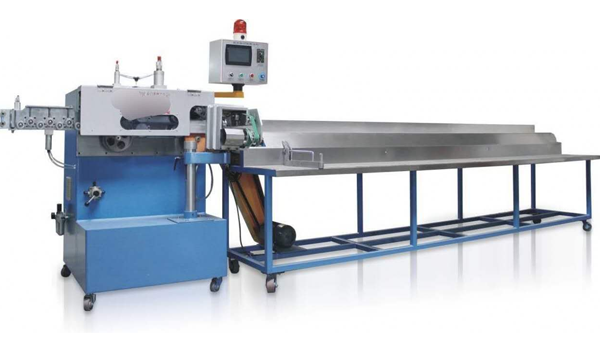
6. How We Manufacture, Inspect, and Deliver the Machine
For an industrial machine, delivery is only one part of the project. The work starts much earlier with technical communication.
Step 1: Technical Discussion
We first discuss the customer's application. Important information includes workpiece material, workpiece structure, thread requirements, production volume, expected working conditions, and any available technical drawings.
This stage helps us understand what the customer actually needs instead of making assumptions from the product name alone.
Step 2: Configuration Confirmation
After the technical requirements are clear, we confirm the machine configuration and project details. Any special requirements should be included before production starts.
Step 3: Machine Manufacturing
We then arrange manufacturing, assembly, electrical work where applicable, machine adjustment, and other production operations according to the confirmed requirements.
Our company integrates R&D, manufacturing, and sales, so technical communication can remain connected with the production process.
Step 4: Assembly and Adjustment
After the main components are ready, we assemble the machine and perform necessary adjustment work. We check the machine structure and operating functions according to the agreed configuration.
Step 5: Inspection and Testing
Before shipment, each machine is assembled, inspected, and tested according to the agreed technical requirements. Where a customer requires specific acceptance checks, these can be discussed during the technical confirmation stage.
This approach is consistent with the broader idea behind quality management: processes should be controlled and improved rather than relying only on final inspection. ISO describes ISO 9001 as a quality management framework focused on consistent products and services, customer expectations, process improvement, and continual improvement.
Step 6: Packaging and Shipment
After acceptance, we prepare the machine for shipment. Depending on equipment size and destination, we can arrange sea transportation, rail transportation, or another suitable method.
For packaging, we commonly use protective film, steel frames, wooden cases, or other suitable protective materials. The packaging plan is selected according to the machine structure and transportation requirements.
| Project Stage | Our Main Work | Typical Customer Input |
|---|---|---|
| Technical discussion | Understand application and requirements | Workpiece and thread information |
| Configuration | Confirm machine arrangement | Technical specifications |
| Manufacturing | Machine production and assembly | Confirmed order details |
| Inspection | Testing and adjustment | Agreed acceptance requirements |
| Delivery | Packaging and shipment arrangement | Destination and shipping requirements |
Our typical production and delivery cycle is around 30–90 days after technical specifications and order details are confirmed. The actual schedule depends on the machine configuration, project complexity, production arrangement, and customer requirements.
7. Why Choose Shuochuan for Industrial Thread Cutting Equipment?
Choosing a machine supplier is not only about buying a machine. It is also about communication, manufacturing control, inspection, delivery, and follow-up service.
At Shuochuan, our company combines R&D, manufacturing, and sales. We have obtained more than ten utility model patent certificates, reflecting our ongoing work in equipment development and technical improvement.
Our product philosophy is also closely connected with practical manufacturing. We aim to create equipment that is efficient, energy-conscious, and easier for operators to work with.
We Start With the Application
We do not want customers to buy functions they do not need. At the same time, we do not want an important production requirement to be missed because the project was treated as a standard order.
That is why our first step is always to understand the application.
We Keep Communication Practical
Industrial equipment discussions can become full of technical words. We try to keep the communication clear. If a parameter is important, we explain why it matters. If a parameter cannot be confirmed without a workpiece drawing, we say so.
We Follow a Production Process
From technical confirmation to machine assembly and final inspection, we keep the production process organized. This is important for customized industrial equipment because small changes made late in production can affect delivery time and machine integration.
We Inspect Before Shipment
Our machines are inspected and tested before shipment according to the agreed requirements. We believe this is a basic part of responsible equipment manufacturing, not an extra service.
We Offer Practical Delivery Options
For international customers, transportation can be arranged according to destination, machine dimensions, and project requirements. Sea freight, rail transportation, and other suitable methods can be considered.
Our Manufacturing Philosophy
“Quality First, Continuous Improvement, and Honest Service” is the corporate spirit we follow.
For us, these words are not meant to make the machine sound impressive. They describe how we prefer to work: communicate honestly, improve the equipment step by step, and take responsibility for the product we manufacture.
8. Thread Cutting Machine FAQ
What materials can the Thread Cutting Machine process?
The machine is mainly intended for suitable industrial workpieces, especially metal components. The exact material suitability depends on the machine configuration, cutting tool, workpiece structure, and required thread. We recommend confirming the material before finalizing the machine.
Can the machine produce different thread specifications?
The machine configuration should be selected according to the customer's required thread specifications. Different thread forms, pitches, workpiece structures, and production requirements may require different tooling or machine arrangements.
Can you customize the machine?
Yes. We can discuss configuration according to the workpiece, thread requirements, production volume, material, and working conditions. Customization should be confirmed during the technical discussion before production begins.
What information should I provide before requesting a quotation?
Useful information includes workpiece drawings, material, thread requirements, expected production quantity, workpiece dimensions, internal or external thread requirements, and any special operating requirements. Photos or sample parts can also help our engineers understand the application.
What is the production and delivery time?
Our typical production and delivery cycle is around 30–90 days after technical specifications and order details are confirmed. The actual schedule depends on the machine configuration and project requirements.
How do you test the machine before shipment?
We assemble, inspect, adjust, and test the machine according to the agreed technical requirements before shipment. Specific acceptance tests can be discussed during the technical confirmation stage.
What payment method do you accept?
Payment terms can be arranged according to the contract. A common arrangement is a deposit followed by the balance before shipment, but the final payment terms depend on the agreed project conditions.
How do you package the machine?
We normally use protective film, steel frames, wooden cases, or other suitable packaging materials. The final packaging method depends on machine size, structure, destination, and transportation conditions.
How can the machine be transported?
We can arrange sea freight, rail transportation, or another suitable transportation method according to the destination and equipment dimensions. The transportation plan can be discussed together with the order and delivery schedule.
Can I send you my workpiece drawing before ordering?
Yes. A workpiece drawing is very useful for technical evaluation. It allows us to understand the thread, workpiece structure, dimensions, and production requirements more clearly before confirming the machine configuration.
Conclusion: A Practical Thread Cutting Solution for Industrial Manufacturing
A good Thread Cutting Machine for Industrial Manufacturing should do more than simply cut a thread. It should provide stable machine movement, practical operation, repeatable processing, suitable configuration, and a clear inspection process.
At Wuxi Shuochuan Electromechanical Equipment Manufacturing Co., Ltd., we approach each project from the customer's actual production requirements. We discuss the workpiece first, confirm the technical requirements, arrange manufacturing, inspect and test the machine, and then prepare it for delivery.
Our Thread Cutting Machine is suitable for metal processing, machinery manufacturing, automotive parts, hardware production, industrial components, and other manufacturing applications involving threaded parts.
If you are looking for an industrial thread cutting machine, thread cutting machine for metal processing, or thread cutting machine for manufacturing applications, the best starting point is your actual workpiece and production requirement. Send us the technical details, drawing, or application information, and we can discuss a suitable machine configuration with you.
Technical References
ISO 230-1:2012, Test code for machine tools — Part 1: Geometric accuracy of machines operating under no-load or quasi-static conditions. ISO states that the standard specifies methods for testing machine tool accuracy through geometric and machining tests.
ISO 2768-1:1989, General tolerances — Part 1: Tolerances for linear and angular dimensions without individual tolerance indications. ISO lists the standard as currently published while noting that it is expected to be replaced by the new ISO 2768 edition.
ISO 9001, Quality management systems — Requirements. ISO describes the standard as a framework for quality management, consistent products and services, customer expectations, and continual improvement.



 WhatsApp
 телефон